
The Limitations of AI Web Builders: The Use Case for Human Designers
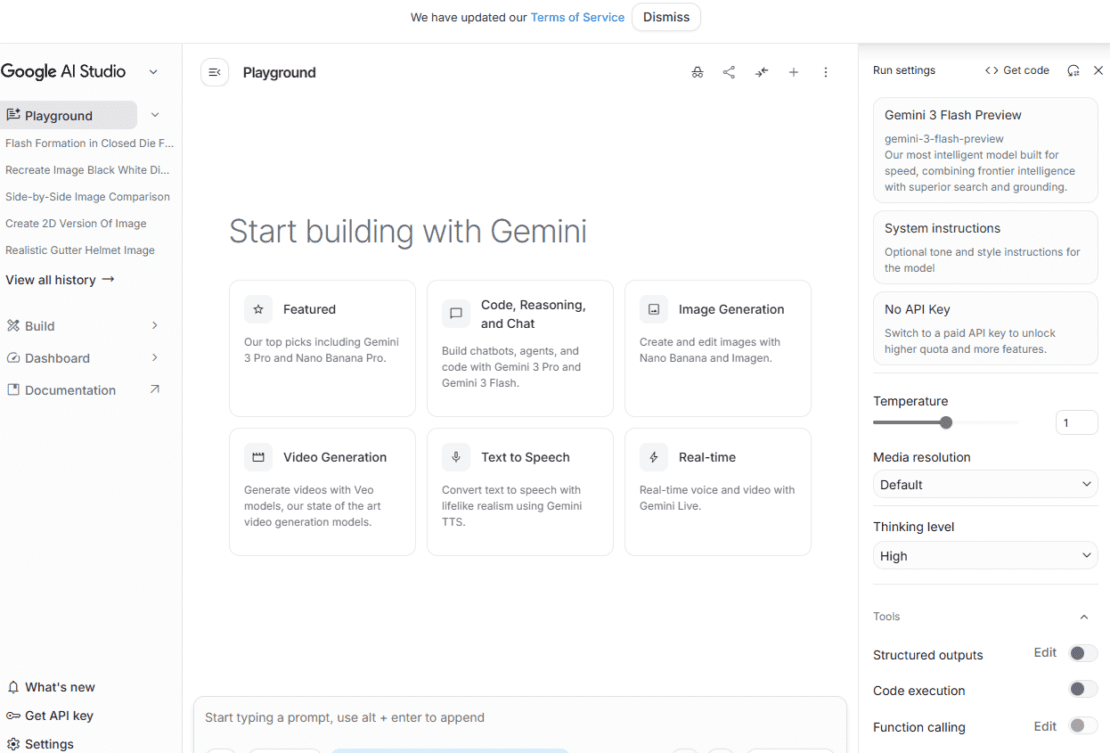
AI technology’s recent advances have accelerated processes and reduced costs, promising significant changes in business practices. However, businesses risk disappointment if they overestimate AI’s abilities, especially when replacing human creativity with automation. The result can be inferior outcomes compared to those created by dedicated teams.
AI website builders help businesses launch sites quickly, but their value diminishes as business needs become more complex and strategic. The main issue isn’t what AI can do, but where it creates business value. While AI excels at rapid prototyping and basic site structure, it can’t replicate human creativity. Businesses should leverage AI for efficiency but depend on human designers for creative and strategic tasks.
AI Web Builders Don’t Integrate With a CMS
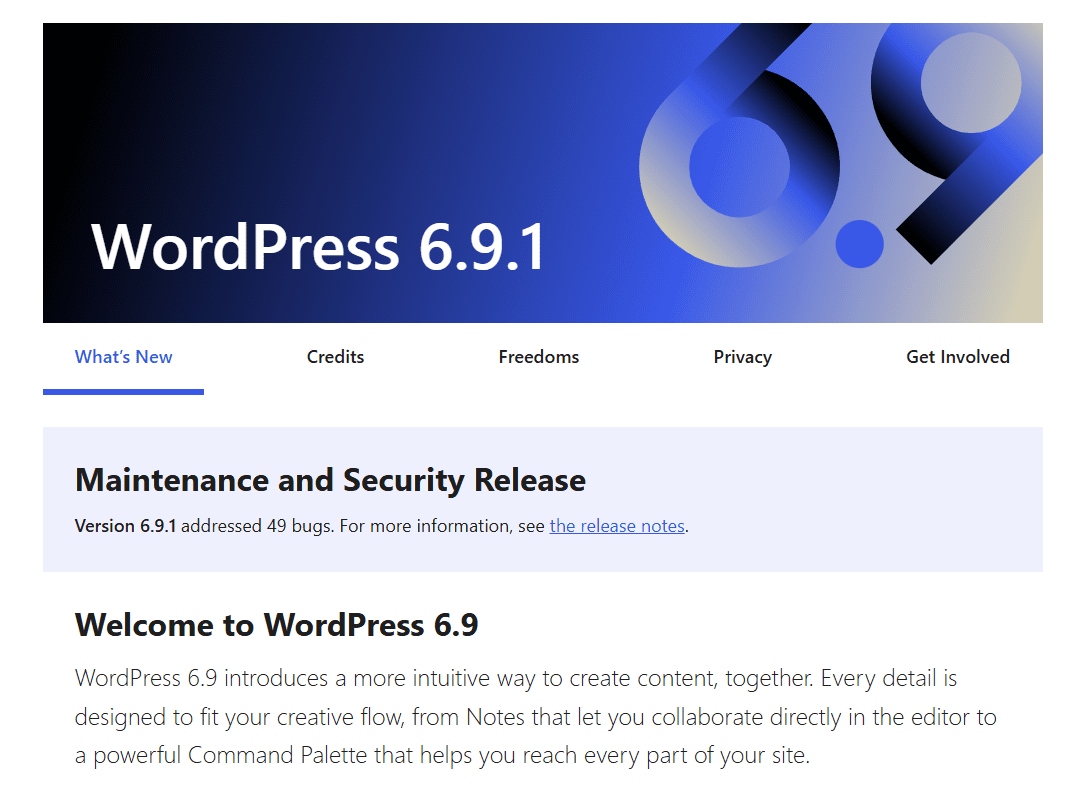
A Content Management System, like WordPress, is software that enables programmers and non-programmers alike to create, update, and manage digital content displayed on websites and applications. A content management system abstracts content from code, so content creators and editors can build and update pages without touching the site’s code. Instead of manually editing HTML code to update content, the editor uses an intuitive interface that lets them enter content, toggle options, set schedules, and perform other common tasks.
By separating content from code, a CMS enables faster, more reliable site updates, making it a “must-have” for any business that has non-programmers managing and editing website content. Editors don’t need to worry much about breaking a page, since content changes don’t alter the code. Updating a link, text, or image on a non-CMS site requires editing code, which can introduce errors. This problem doesn’t exist with a CMS.
AI web builders generate pages outside the CMS workflow. When creating a similar page, businesses have to restart the AI builder, whereas CMS platforms allow seamless new-page creation via templates. CMSes also simplify content edits, whereas AI builders often require rebuilding pages for minor changes.
If You Don’t Understand Coding, You’re Still In Trouble
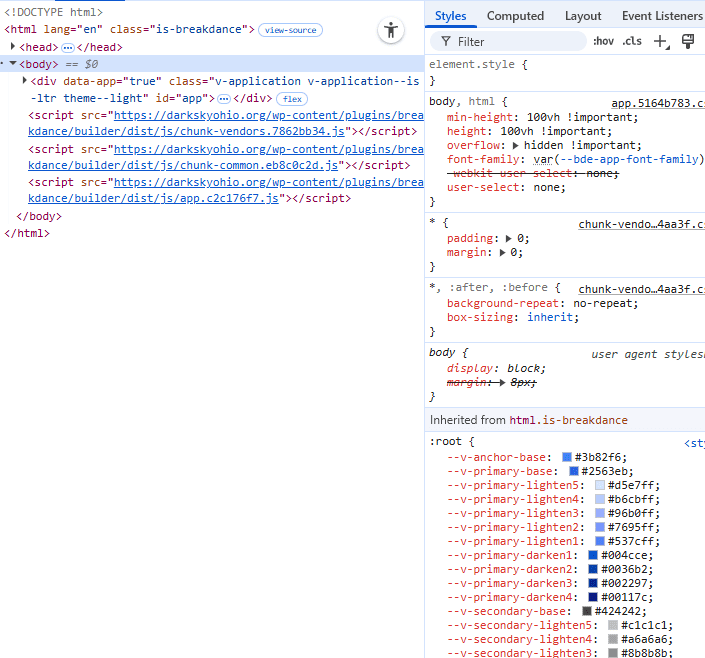
The whole concept of an AI-generated “no-code” website sounds fantastic until it isn’t: when something breaks, your business still needs to fix it. Websites very rarely remain stagnant; the featured products on the homepage need to change, a new section needs to be added to the site navigation, a product redesign requires updating images to reflect the new look, and so on. This is one of the areas where AI-site builders run into problems. If something breaks, you’ll need to rely on the AI to fix itself, if it can at all. If your business doesn’t have someone available who understands how to code, you can get stuck with a broken site that you can only fix by rebuilding.
A human programmer for a site is a lot like a mechanic for a car. What may seem complicated to a non-expert is often a quick fix for someone experienced. Additionally, AI may struggle with smaller updates or larger integration projects that need custom code. Continuing the car metaphor, the AI website builder is like the manufacturer, but sites require ongoing maintenance just like vehicles. The site will work great when new, but over time, parts will break without proper care.
The sum of all the potential problems results in what’s called the “AI-editing trap.” Once you’ve made manual changes to the code, whether to expand functionality or update content, AI website builders can lose their ability to edit content effectively.
Customizations Need to be Added to the Framework
AI website builders focus on building a site that addresses the immediate needs in the prompt, but can’t predict where future customizations are likely to appear. This is a key advantage for experienced human developers: they can structure code for iterative improvements. AI may serve as a starting point, but it struggles to update itself after human customization or to add functionality to existing human-written code.
Can’t Be Scaled Without a Complete Redo or Switch to a New Platform
Websites generally have a lot of things under the hood that AI struggles to implement, including third-party tracking, Customer Relationship Management, and analytics systems, all of which rely on human-defined criteria and actions. For example, you may use a retargeting system that sends advertisements to site visitors who added a product to their cart, but didn’t complete checkout. The advertisement retargeting program needs to be implemented across your site, with direct integration into the add-to-cart action, and having a flag built into the cart that fires if the user doesn’t check out.
There’s No Strategy or Optimization

When someone interacts with a website, the user experience pertains to the specific action they are performing. So you may think, “I just need a page that explains why a customer should buy my new gadget,” which is what you would want when visiting that page. However, a high-performing website is more than just the sum of its pages: it is strategically planned and optimized. Competitor research, keyword placement, and technical performance are all integral for a successful site.
Competitor Research
Your brand has established UI and UX standards, and there’s an overarching strategy for how your site content works together. It’s your style, not your competitors’, so training AI on their sites risks your final product looking too similar to theirs or to other generic sites. AI website builders aren’t considering what differentiates your brand or makes it unique.
Keyword Placement & Search Engine Optimization
In the early days of the Internet, website developers would use “keyword stuffing” to overload search engines with popular search terms, often including irrelevant keywords, so their sites would rank higher and attract more traffic. To counteract this, search engines became smarter at indexing content by examining keywords in context. AI website builders and AI-generated copy do not incorporate keywords as naturally as humans. If the copy isn’t reviewed for potential Black Hat techniques, search engines can quickly detect and penalize with lower content scores and rankings. Human designers and writers, by contrast, use keywords in ways that align with best practices.
Technical Performance
From a technical standpoint, website code uses semantic structuring for featured snippets, follows detailed schema markup for rich search results, and has carefully constructed content for fast loading. Web AI Builders often trade convenience for technical performance, which means they load more slowly and appear later in search results.
AI Lacks Authenticity
The irony of training AI on top websites is that it finds and copies the optimal design, leading to generic, cookie-cutter sites, which is a challenge for brands that want to stand out. Human designers can bring authenticity and collaborate with companies to create websites rooted in values and targeted to specific audiences. Consistent brand design, voice, and storytelling build trust as uniquely human expressions.
AI Accessibility Issues
Experienced designers understand that while brands want beautiful, eye-catching websites, all sites must also meet accessibility standards. AI lacks the care and consideration for accessibility that an experienced human designer provides. Regardless of whether your site was built by AI or humans, accessibility compliance and often manual code review are your responsibility. Updating your site for compliance is tricky, as AI may overwrite those manual adjustments if it continues to update the page.
Best Use Cases: Prototypes & Mockups
Highlighting the limitations of any tool is a great way to better understand what the tool does well. In the case of AI website builders, they’re very good for building single-page sites, microsites, portfolio pages, prototyping, mocking up larger sites, layout brainstorming, and fast concept generation. AI web builders are also great for making simple websites very quickly, but struggle with complex, synergistic sites. AI web builders are another useful tool to use in your kit, but as Abraham Maslow wrote in The Psychology of Science, “If the only tool you have is a hammer, it is tempting to treat everything as if it were a nail.”
Get Advice From Real Humans
For more than a decade, Momentum has worked with small- to mid-sized companies as a web design and digital marketing partner. We have an in-house team dedicated to building SEO-optimized websites and a new department, Momentum Labs, that specializes in rapid prototyping site designs.
No matter which industry you’re in, Momentum can help you build a website that authentically showcases your brand, stands out from your competitors, and improves your online visibility. Schedule a consultation to see how our hands-on approach to web design can help your business grow.