
How Much Content Should You Publish?
If I had a nickel for every time a client asked this question, I would have enough money to retire. So, let’s break the tough news first: there is no secret number that will unlock a new level of SEO that propels you to position 1. I wish I could give you one, but I would be lying to you, and I don’t like lying.
Okay, now that we have that out of the way, let’s talk about why.
Quality Matters Over Quantity, No Arguments
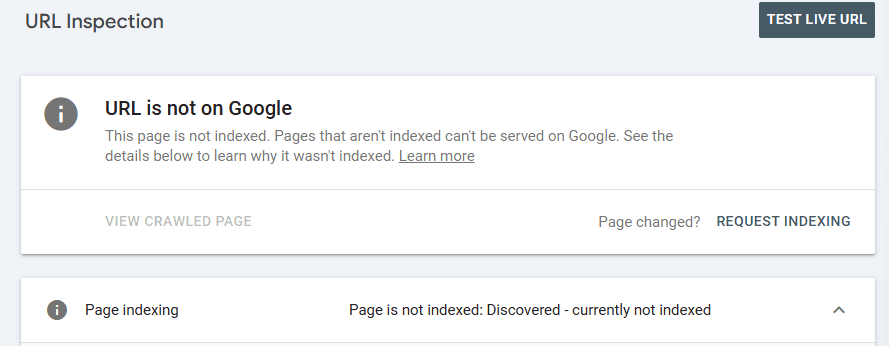
Google makes significant algorithm changes, called core updates, three to four times per year on average. The last one rolled out on June 2. Since that update finished, SEOs within the industry have noted a change in indexing. Content just isn’t being indexed anymore like it used to. Why?
In the past, these situations could be fixed by:
- Quick technical SEO changes (I’ve definitely made the mistake of not realizing a setting was applied to an article that automatically set it to noindexing, woops)
- Manual indexing requests
- Internal linking strategies
These tricks aren’t working anymore, and now, SEOs are being hit with a ton of “Discovered but not indexed,” messages on Google Search Console, meaning that Google crawled the page and knows it exists, but has decided “No, we’re good.”
The ever-increasing number of articles and pages not being indexed is leading SEOs to believe: wait, is my content just bad?
A Response to AI
Writers around the world have been devastated by the overall response (by businesses) to AI. The art of writing is no longer appreciated and instead, the thought is “How can we create more, faster?” There are debates happening over the use of an em dash (which, if you told me this would be a newsworthy event three years ago, I would have asked you if you were OK), and overall, the online landscape seems to be filled with:
- AI articles that are inaccurate or just repeating what’s already online.
- Weird videos with clickbait AI-generated images.
- Fake images designed to spread misinformation (or disinformation).

To put it nicely, it’s a mess out there. Google understood that they needed to do something about it, and now the Quality Rater Guidelines are more stringent than ever before, and that’s likely not going to stop anytime soon.
Wait, If Quantity Doesn’t Matter…Then What Do I Do?
I know, I know, this is hard to take in. So many people think that publishing four blogs per week really is going to make a difference. Now, writing content frequently can be beneficial to show that you’re an active brand creating relevant content, but now the question is: do you have something that hasn’t already been said?
Your competitors are also cranking out content, what are they doing that you could do differently? Instead of focusing on the number of pieces you publish, focus on this:
Why Do Customers Come to You?
Which problems do your customers frequently experience? I know it’s hard to conceptualize these things, so here’s an example:
One of our clients frequently helps manufacturers refine their temperature control processes. Many times, customers come to them with problems like slow startups, product quality issues requiring scrap and reworking, and inefficient multi-zone heating. Most of their customers assume the problem is the heater. Their experts have to explain that a thermal system is more than just a heater.
So, why do your customers typically come to you? What problems do they complain about, and are there any misconceptions that you could clear up in your own content?
What Are Your Opinions on Industry Trends?
Companies can’t use AI to develop thought leadership content because AI is unable to have a unique opinion that it hasn’t already been trained on.
What’s happening in your industry? Are you part of any associations or frequently go to trade shows or conferences? Is there an interesting trend or developing technology that you could write about? What insights do you have about the future of your industry or market?
How Do Your Offerings Help Others?
Stop hyper-focusing on your competitors. They’re not you. What are you doing to help your customers? If you don’t know why customers should choose your business over a competitor or you don’t follow up with customers to see how your products or services have impacted them, then it’s time to get started.
Mark my words, case studies are going to have a bigger impact now than standard informational articles.
Is There Industry Misinformation That Really Bothers You?
People use AI for research and basic queries, but the problem is that AI is trained on content that’s already published on the Internet, and sometimes, there’s a common consensus or factoid that gets spread around. A good example that I’ve written about is articles stating a difference between a lawyer and an attorney. The American Bar Association does not state any clear difference between these two. Both terms refer to individuals who have passed the bar and are licensed to provide legal advice in whatever state they’re located in. The use of ‘lawyer’ or ‘attorney’ is a personal decision, but they both mean the same thing.
Every industry has misinformation. What’s one in yours that really bothers you? Write about it.
Do You Have Old Content You Can Revisit?
Content can become outdated quickly, depending on the topic. For example, I wrote a Google Core updates article that needs to be updated literally any time a new algorithm update, whether it’s core or spam, rolls out.
Do you have any existing content pieces that could be improved? You can read this guide on how to perform a content audit and identify eligible pieces.
Get Your Creative Brain Flowing With These Exercises
“This is all easier said than done!” you are likely thinking. Yes, creating high-quality content is exceptionally difficult. I always aim to do my best, whether I’m creating content for myself or for another person, but sometimes, I’m just not saying anything new.
If you don’t know where to start, try these exercises:
- Name 5 things you do better than your competitor.
- List 3 common problems you see hear from customers.
- Read 1 news story from your industry association. Process it.
- Think about 1 good customer interaction you had in the past week.
- Talk to your sales team about which products or services seem to be the most popular.
- Find 1 competitor piece that is so inaccurate that it makes you laugh.
- Log onto LinkedIn and read what’s trending with your connections.
Understanding Quality
The tough part about all of this is that quality is 100% subjective, and from the perspective of a search engine like Google, what’s considered “quality” is based on the whims of Google’s chosen quality raters who use Google’s set criteria to determine whether a content piece should be indexed.
A while back, I presented an internal slide deck to the Momentum team discussing content quality, and I want to share it with you in the hopes that you’ll also get insight from it. You can download a PDF version of it here.
Ready to Write?
It’s not the time for sadness, it’s a time for celebration! We need better content, so let’s make it. If you don’t have the in-house resources to develop content, reach out to Momentum. Founded in 2010, Momentum specializes in digital marketing, offering SEO strategies, PPC campaigns, website design and development, and content development to companies across many industries, ranging from manufacturing to healthcare.
Visit our website to learn more about what we do, or contact us today to learn more about how we can help you develop better content.
